Bitcoin Q1 2026 Posts Historic Losses, Miners Rebound And Difficulty Spikes

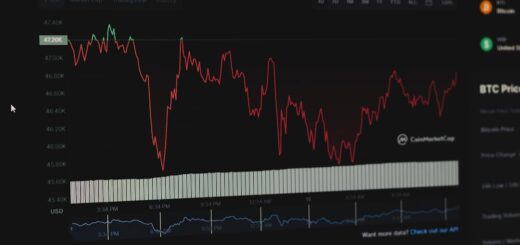
Bitcoin closed Q1 2026 with a -23.21% return, its third-worst first-quarter performance since 2013, as five consecutive months of losses reshaped market structure and forced a hard reset on cycle assumptions. Trading at $66,176 at time of writing, down roughly 1.1% on the day, BTC remains pinned in the mid-$60,000s after a brutal quarter that erased early-year optimism and left both retail and institutional participants scrambling to reassess. The miners, meanwhile, are fighting their own war on a different front entirely.
A Quarter Nobody Wanted to Own
The numbers are stark. Bitcoin’s -23.21% Q1 return places it behind only Q1 2018 (-49.7%) and Q1 2014 (-37.42%) in the historical record, according to CoinGlass data. Both of those prior periods occurred during confirmed bear-market cycles. That comparison alone should give pause to anyone still reaching for the bull-cycle playbook.
The historical Q1 average of +45.90% sounds encouraging until you understand how badly it is distorted by outliers. Bitcoin gained +539.96% in Q1 2013. It returned +103.17% in Q1 2021. Strip those years out and the historical Q1 median sits at -2.26%, meaning losing quarters are not rare. But losing a quarter by more than 23 points is a different conversation entirely. That is not seasonal weakness. That is structural selling.
Ethereum did not escape. Its Q1 2026 return of -32.17% is the third-worst first quarter since 2016, sinking well below a historical average of +66.45%. ETH has now been green in only three of the past fifteen months. Six consecutive losing months. The worst streak since 2018. The higher-beta asset performing exactly as it does during genuine risk-off cycles.





How the Market Got Here
The story really begins in October 2025. Bitcoin was trading above $126,000. The community was talking about “Uptober” and fresh all-time highs. Then October 10 happened. More than $19 billion in positions were liquidated in a single day, one of the largest forced-selling events in crypto history. Analysts who watched it in real time described it as structural, not cosmetic. Something in the market’s plumbing broke, and it did not quietly repair itself.
Bitcoin ended 2025 in the red, becoming the first post-halving year to do so. January 2026 opened with some optimism, but a rejection at $98,000 sent prices back down. A 10% loss in January became a 15% decline in February after BTC plunged to $60,000 in early February, its lowest level since October 2024. It has recovered ground since, but the fifth consecutive monthly loss is now on the books. The last time that happened was 2018.
Derivatives markets amplified the move. Analyst CryptoTice flagged approximately $1.8 billion in aggressive market sell orders hitting the books within a single hour, attributed to rising US-Iran geopolitical tensions. That is not repositioning. That is urgency. When leverage unwinds at that speed, liquidation cascades follow. Funding rates, open interest, and liquidity gaps all flashed stress simultaneously. The spot market lagged behind the derivatives signal, as it often does during these episodes.
The Miner Equation Has Changed
While traders watched the price screen, a separate but related crisis was developing in the mining sector. Bitcoin’s network difficulty just reset approximately 15% higher, landing at roughly 144.40T. That is the largest single difficulty adjustment since around 2021. The timing could not be more uncomfortable.
Difficulty is a cost multiplier. When it rises, miners must consume more electricity and generate more wear per expected coin using the same hardware, unless something else compensates. The “something else” would be a higher Bitcoin price, higher transaction fees, cheaper power, or more efficient machines. Right now, none of those relief valves are open in any meaningful way.
Hashprice, the cleanest single measure of miner revenue per unit of computing power, fell from roughly $33.50 to about $29.70 per PH/s per day around the adjustment window. Mining revenue entering March is running under $30 per petahash per second. That compresses margins fast, particularly for operators with debt obligations or fixed hosting agreements. The bills that arrive next week do not wait for the market to recover.
The response is mechanical. When revenue per hash drops while fixed costs hold steady, the fastest way to close a cash-flow gap is to sell coins. Treasury sales sit on the shortest clock in the miner toolkit. Hardware upgrades take capital and time. Power renegotiations move slowly. Capital markets tighten precisely when miner equities weaken alongside Bitcoin. The path of least resistance is spot selling, which adds supply into a market already dealing with weak demand.
There is an important nuance here. The fleet is not uniform. The strongest operators, those running modern hardware on low-cost power with flexible financing, are not in distress at these levels. They can absorb the adjustment. The stress concentrates in the weaker segment of the fleet, the operators closer to break-even in a post-halving environment where the block subsidy is half what it was two years ago and fees have to carry more of the revenue load during quiet periods.
The network’s hashrate did recover above the 1 zettahash per second mark following disruptions from an Arctic cold snap that froze operations across parts of the United States last month. That rebound is a positive signal for network security. But security and profitability are not the same thing, and right now they are moving in opposite directions.
There is one counter-signal worth tracking. On-chain data shows that some miners have flipped from sellers to accumulators in the days following the difficulty spike. The logic is simple: miners who can survive the compression without liquidating inventory often treat low prices as an accumulation opportunity. If hashprice stabilizes or price recovers even modestly, the selling pressure from weaker operators could resolve quickly while stronger operators sit on growing reserves.
Two Markets in One
What makes 2026 genuinely disorienting is that it contains two completely different market narratives running in parallel. One is a post-cycle deleveraging story: five losing months, broken structure from the October crash, newer holders capitulating near $60,000, derivatives leading price action downward. The other narrative, quieter but persistent, points toward a bottom forming. Bitcoin has logged 25 consecutive days in Swissblock’s “extreme high risk” zone, surpassing the 23-day record from 2023 that preceded a 130% rally into 2024.
The BTC-to-gold ratio has attracted analyst attention as a potential timing signal. Historically, bitcoin bear markets have run 12 to 13 months from peak to trough. If the cycle peak was in October 2025, a trough sometime in late 2026 fits the historical template. Some analysts warn of a potential decline to $38,000 if macro conditions deteriorate further. Others see fractal patterns pointing to a sharp recovery. Both views are internally coherent. That tension is precisely what a genuine bottom feels like from inside it.
The honest read is that nobody rings a bell at the low. What the data does say clearly is that the Q1 2026 performance reflects post-cycle deleveraging, not routine seasonal softness. Miner economics are under real pressure but not uniform collapse. Geopolitical risk has added a layer of volatility that resists easy pricing. And the market is producing the exact psychological conditions, extreme fear, consecutive losses, narrative exhaustion, that have historically preceded major turning points. Whether this is one of those moments depends entirely on what happens next with macro conditions that crypto no longer gets to ignore.