XRP Capitulation Deepens at $1.12
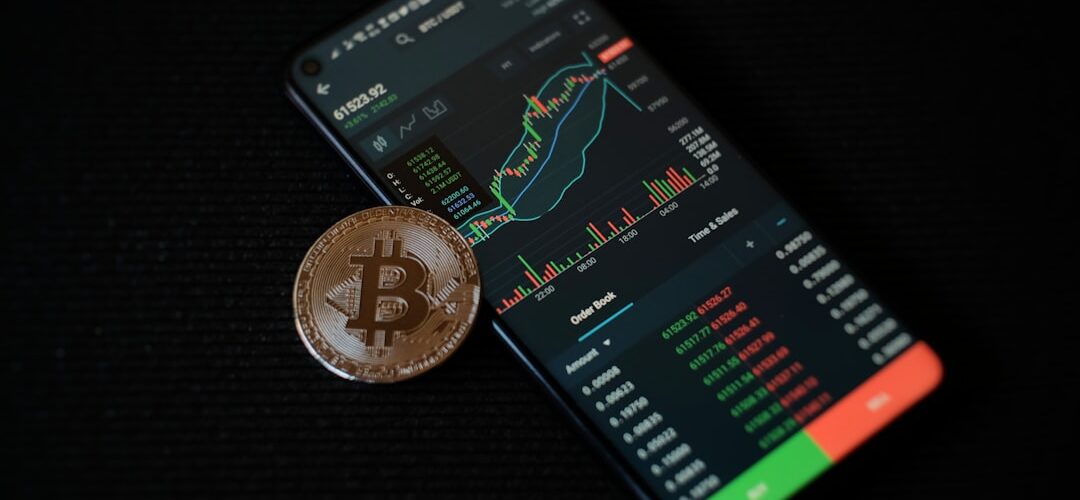
XRP is trading at $1.12, down 4.57% in 24 hours, after breaking below the $1.13 support level on elevated volume that ran more than double the daily average. Glassnode data now shows the token’s realized profit-to-loss ratio sitting at 0.38, meaning holders are booking roughly $1 in losses for every 38 cents of profit. That is not a correction. That is capitulation.
The number that deserves more attention than the price itself is the fee collapse. Total transaction fees on the XRP Ledger have fallen from 5,900 XRP in February 2025 to approximately 500 XRP today, a 91.5% decline in roughly 16 months. Fees measure actual usage. You cannot spin a 91.5% drop in organic transaction demand into a bullish narrative, and anyone trying to do so is selling you something. This is the same pattern we flagged when XRP network activity dropped 85% as retail exited in May, and the deterioration has continued without interruption.
Sentiment vs. Structure: Two Very Different Stories
Here is where the analysis gets genuinely complicated. The on-chain sentiment picture is ugly. The structural whale picture is not. CryptoQuant analyst PelinayPA noted that large-holder inflows to Binance, specifically wallets moving 1 million XRP or more, have declined sharply since the 2025 peak. In prior bear markets, these transfers spiked aggressively as whales rushed to distribute. That spike is absent right now. “If Binance inflows remain subdued, the available selling supply could continue to decrease. Combined with stronger demand, this would make it easier for XRP to revisit the $1.8 to $2.0 range,” PelinayPA stated in the analysis.
A separate transfer of 50 million XRP by a single whale address drew attention on June 9, sparking accumulation talk on social media. The timing matters because it followed a 13% weekly decline, the kind of price level where informed accumulation historically begins rather than ends. None of this makes the fee data disappear, but it does suggest the seller base is narrowing to overleveraged traders and panicked retail rather than the largest structural holders.
The current price drop looks driven primarily by leverage liquidations and broad market weakness, not deliberate whale distribution. That distinction separates a washout from a prolonged structural bleed. The difference has real consequences for positioning.





The Technical Setup Is Binary
The $1.13 level that broke on June 10 is now the first resistance bulls must reclaim. Volume on the selloff reached 109.9 million XRP, confirming this was active liquidation rather than passive drift. The daily RSI has fallen close to levels that historically preceded at least short-term relief bounces, and the $1.09 to $1.12 zone aligns with a 0.786 Fibonacci retracement that multiple analysts have identified as a macro support region.
Analyst EGRAG CRYPTO framed the choice plainly: a monthly close above $1.40 confirms the $1.05 low as the bottom, while failure to hold current levels opens the door to an $0.80 retest with no meaningful support flagged between here and there. CasiTrades identified $1.19 and $1.27 as the resistance layers that matter on any recovery attempt, with rejection at those levels pointing toward $0.90 to $0.85. The setup has compressed to a single question: does this zone hold with conviction, or does XRP turn a painful correction into something structurally worse.
XRP is also trading below both its 100-day and 200-day moving averages inside a descending channel, and is down roughly 49% year-on-year and 68% from its July 2025 all-time high near $3.65. The broader trend has not reversed. A few oversold RSI readings do not reverse a trend. Buyers defending a level with conviction does.

XRP will hold above $1.00 through June and post a weekly close above $1.20 before July 10, 2026, with the SBI Shinsei catalyst and declining whale exchange inflows providing sufficient demand pressure to prevent a breakdown to $0.80 in this cycle leg.
XRP is currently at $1.07 as of July 13, 2026, meaning it failed to post a weekly close above $1.20 before the July 10, 2026 deadline, making the claim incorrect despite holding above $1.00.
SBI Shinsei and the Narrative Lifeline
Japan’s SBI Shinsei Bank announced a program allowing customers to convert deposit interest into Bitcoin, Ethereum, or XRP. On any other day, with the broader market healthy, this would be a clear positive catalyst. Real-world banking infrastructure choosing XRP as one of three conversion assets alongside the two largest cryptocurrencies is the kind of institutional adoption the XRP bull thesis has always required. The market’s muted reaction to the news tells you something important about the current psychological state: even genuine positive developments are being absorbed by an exhausted holder base that has been conditioned to sell relief.
That is exactly what late-stage capitulation looks like from the inside. Holders stop responding to good news because they have been burned by false dawns too many times. The SBI Shinsei announcement is objectively constructive for the medium-term thesis. Its failure to lift price is not evidence that the thesis is wrong. It is evidence that sentiment has not yet reset. Sentiment always resets last.
Ripple also joined the Water.org campaign alongside Amazon and Gap, using its RLUSD stablecoin to move funds to microfinance partners in emerging markets. It reinforces RLUSD’s utility positioning but carries little direct price relevance for XRP at this juncture.
The Capitulation Case for Buying, and Why It Requires Patience
Glassnode data showing the realized profit-to-loss ratio at 0.38, down from a peak of 50 during the 2025 speculative frenzy, represents a near-total inversion of market psychology. At the peak, profit-takers outnumbered loss-sellers fifty to one. Now it is roughly the inverse. Historically, readings this extreme in the 0.38 range have marked periods of maximum pain that preceded stabilization. Note the word stabilization, not immediate recovery. Capitulation identifies a zone, not a date.
The problem is that this particular capitulation carries a structural warning that pure sentiment-driven bottoms do not. The fee collapse from 5,900 to 500 XRP on the ledger is not fear. It is absence. Fees reflect actual usage decisions by actual participants, and analysts monitoring XRP’s macro decision zone have not meaningfully addressed this divergence between holder behavior and network activity. A token can bottom on sentiment while its network usage stays structurally depressed for quarters. Bitcoin’s fee environment and developer momentum are holding up. XRP’s are not. That gap matters for the speed of recovery even if a price floor forms here.
The capitulation metrics are real. The fee collapse is real. And the whale behavior diverging from prior bear market patterns is also real. Three things can be true simultaneously without resolving into a tidy conclusion. What the data tells me is that this is a washout driven by retail leverage and macro risk-off, not coordinated distribution by the largest holders. That is the better kind of capitulation to buy into, slowly, with defined risk, not with conviction that the bottom is exactly here. The narrative around XRP has always run ahead of the fundamentals in both directions. Right now the narrative is too dark. That too is a signal, and it is the one I trust most.