US Crypto Tax Bills Stall Amid Bipartisan Rift
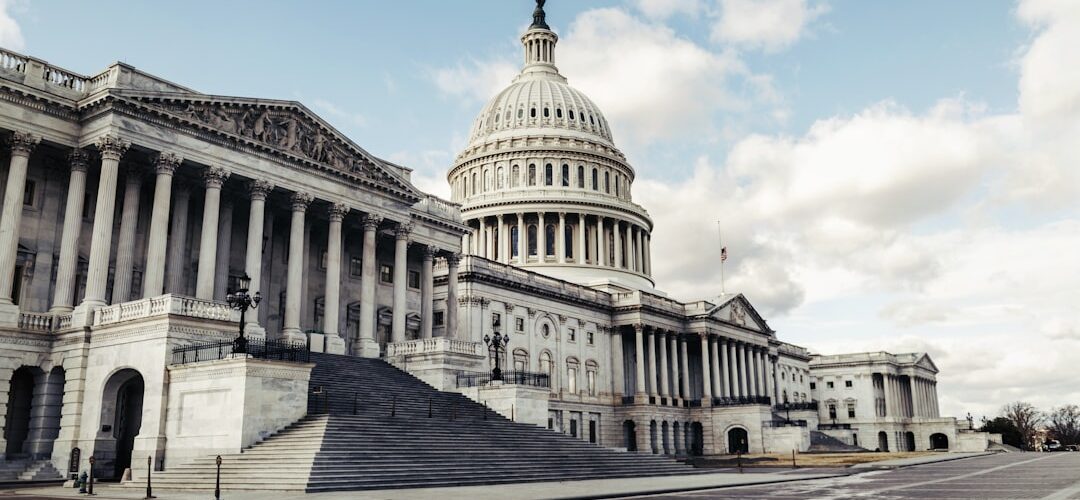
A House Ways and Means Committee hearing on June 9 exposed unresolved divisions over seven crypto tax bills, casting doubt on whether any legislation can advance before the current congressional session closes at year-end. Democrats raised pointed objections to staking and mining deferral provisions, while Republican Chairman Jason Smith pressed for a bipartisan framework that, at this stage, does not yet exist. The hearing ran alongside intensifying Senate pressure on the CLARITY Act, compressing two of the most consequential crypto policy debates into a single 48-hour window.
Seven Tax Bills, One Structural Problem
The package, introduced by Republican committee members, takes a modular approach, splitting proposals for staking rewards, mining income, small-transaction exemptions, charitable donations, wash-sale treatment, and compliance into six or seven standalone bills rather than a single omnibus measure. The strategy is sound in principle: a de minimis exemption freeing minor retail payments from capital gains reporting has broad appeal across party lines, whereas a deferral allowing miners and stakers to delay income recognition until disposal is far more contentious. Mike Kaercher of the NYU Law Tax Law Center testified that the deferral election “violates parity with traditional finance and the principle that income is taxed on receipt,” and warned that certain business structures could allow taxpayers to permanently avoid tax on rewards. That argument found a receptive audience among Democrats.
Ranking Democrat Richard Neal’s summary was precise in its ambiguity: “I’m aligned with that goal, eventually. There’s healthy skepticism on both sides.” Democratic Rep. Steven Horsford indicated he would withhold support unless changes were made to the validation-rewards treatment, specifically proposing a five-year cap on any deferral election. White House crypto adviser Patrick Witt backed the bills publicly, and Anchorage Digital’s Kevin Wysocki stated that “regulatory clarity and tax clarity go hand in hand,” but industry endorsements do not resolve the arithmetic inside the committee room. Alison Mangiero of the Crypto Council for Innovation described tax policy as the third leg of the stool alongside stablecoins and market structure, arguing the other two frameworks lose force without it.





CLARITY Act Developer Clause Draws Law Enforcement Scrutiny
On the Senate side, more than 200 organizations including Coinbase, Ripple, Kraken, and Andreessen Horowitz signed a joint letter urging Senate leaders to schedule a floor vote on the Digital Asset Market Clarity Act before August. Separately, 61 industry leaders and founders focused their letter on preserving Section 604, the Blockchain Regulatory Certainty Act provision that shields non-controlling open-source developers from Bank Secrecy Act obligations and federal money-transmission prosecution. Ripple’s XRP was trading at $1.12, down 4.57 percent over the prior 24 hours at time of writing, suggesting the combined legislative uncertainty is weighing on assets most directly tied to US regulatory outcomes.
The developer-protection clause has drawn objections from law enforcement groups who argue it could create legal defenses during financial crime investigations. Administration officials scheduled White House meetings with those groups on June 11 to explore possible adjustments to the clause’s scope. The CLARITY Act cleared the Senate Banking Committee 15-9 on May 14 and was placed on the Legislative Calendar on June 1; Galaxy Research estimates a 60 to 75 percent probability of enactment in 2026, with a possible presidential signature during the week of August 3. Senator Lummis, one of the bill’s architects, remains unambiguous: “I did not spend years on this issue to watch another country write the rules that govern the assets Americans invented.” The ethics provisions in the bill also remain unresolved, adding a second negotiating thread that must close before a floor vote is plausible. Both tracks, tax and market structure, are running late against a congressional calendar that effectively ends in December.