Trump’s $1.4B Crypto Filing Raises Ethics Alarm
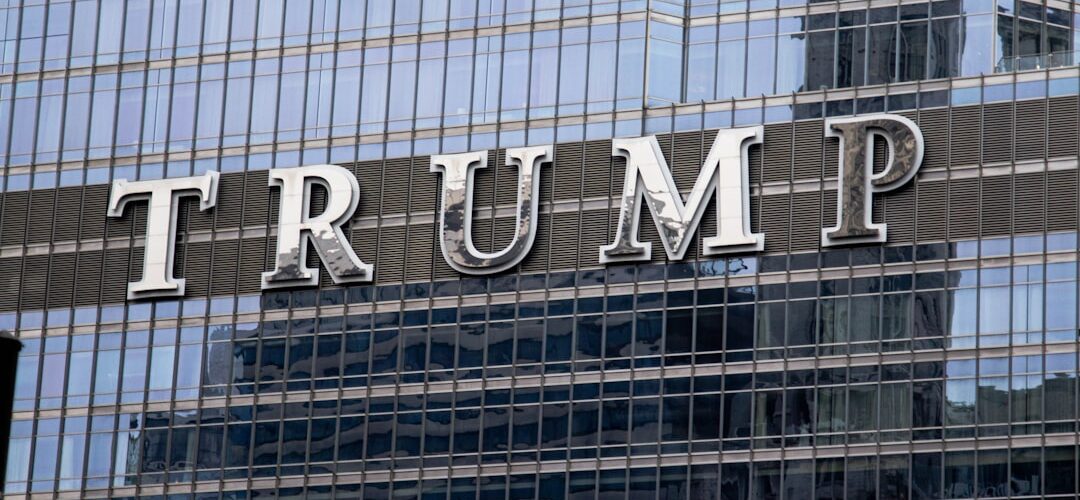
President Donald Trump disclosed more than $1.4 billion in cryptocurrency-related income for 2025 in his annual filing with the U.S. Office of Government Ethics, released June 30. The 927-page document puts a hard dollar figure on an entanglement that critics have argued in general terms for months: a sitting president is personally profiting from an industry whose regulatory framework his administration is actively writing.
Three Income Streams, One Structural Problem
The filing identifies the sources with precision. CIC Digital LLC generated approximately $635 million in royalties tied to a licensing agreement with Celebration Coins covering Trump-branded meme coins. World Liberty Financial, the Trump-affiliated decentralized finance platform, produced roughly $588 million from governance token sales. A separate entity, Stablecoin Holdco, yielded nearly $197 million when Trump sold a partial equity stake, a position linked to an investment from Abu Dhabi’s Sheikh Tahnoon bin Zayed Al Nahyan. Together those three streams dwarf every other disclosed income category, including more than $290 million from Mar-a-Lago, golf clubs, and resorts combined.
The asset holdings disclosed alongside that income are equally direct. Under CIC Digital LLC, the filing lists a cold-storage Bitcoin position valued at “Over $50,000,000,” the form’s highest available bracket, meaning the actual figure could be larger. The same entity reports an Ethereum wallet worth between $5 million and $25 million, a staked Ethereum position through a Coinbase agreement that generated $510,808 in validator rewards, and a USDC holding in the same $5 million to $25 million range. A separate cluster of wallets tied to World Liberty Financial entities lists additional Bitcoin and Ethereum positions, each again in the top disclosure bracket. No divestiture or blind trust separates any of these holdings from the president’s decision-making.
Vice President JD Vance filed his own disclosure simultaneously, showing a Coinbase account holding Bitcoin valued between $250,001 and $500,000 with no income reported from the position. Vance’s holding, while far smaller, reinforces a pattern: the two most senior executive branch officials both hold assets that respond directly to the administration’s own policy signals. Bitcoin’s network remains active, with roughly 563,177 addresses transacting in the past 24 hours at time of writing, a market sustained in part by the same institutional confidence the White House has worked to encourage.
Policy Decisions With a Financial Footnote
The conflict-of-interest concern is not theoretical. Trump’s administration has backed stablecoin legislation currently under Senate debate, reduced enforcement pressure from federal agencies, and issued executive orders favorable to digital asset development. Each of those actions carries a plausible line back to the income streams itemized in his own disclosure. The Office of Government Ethics has limited authority over presidents, but Public Citizen co-president Robert Weissman called the filing an “obscene crypto grift” and urged Congress to act, arguing that Trump’s “personal profit interest has now aligned him with the crypto industry, paving the way for dangerous legislation.” The White House response, delivered by Deputy Press Secretary Anna Kelly, was categorical: “Neither the President nor his family has ever engaged, or will ever engage, in conflicts of interest.” That denial does not address the structural fact that the president holds no blind trust, has divested nothing, and continues to collect income from token projects whose value is sensitive to federal regulatory outcomes.
The disclosure also arrives one day after the Supreme Court expanded presidential authority over independent federal agencies, a ruling with direct relevance to SEC and CFTC oversight of digital assets, as earlier reporting on Trump’s CFTC posture examined. Congress now holds the most credible check on this arrangement. Whether oversight committees treat the $1.4 billion figure as a reason to slow crypto legislation or simply as a disclosure formality will determine whether the filing matters beyond its 927 pages. The evidence is on the record. The conclusion is for the legislature to reach.